You’re about to invest in a brand-new air conditioner for your Anaheim home. But here’s the cold, hard truth: a sloppy installation can nullify half its benefits, turning your smart purchase into a money pit before it even cools a single room.
Most homeowners assume a new unit means instant comfort and lower bills. They forget that the *installation* is just as critical as the equipment itself—and often, it’s where contractors cut corners you won’t even notice until your electric bill skyrockets.
Imagine your AC running perfectly, whisper-quiet, keeping your entire house Arctic-cold without breaking the bank. That’s not luck; it’s the direct result of a flawlessly executed installation.
Forget the guesswork and avoid costly mistakes. This guide lays out exactly what you need to know to ensure your AC installation in Anaheim is done right the first time, delivering maximum comfort and savings for years to come.
Beyond the Box: Why Proper AC Sizing and System Selection is Your First Critical Step
Forget what you think you know about buying an AC. It's not a 'one-size-fits-all' purchase for your Anaheim home. Your new system must be perfectly matched to your home's unique thermal profile, or you’re simply throwing money out the window.
An improperly sized AC unit is a disaster waiting to happen. Too large, and it constantly cycles on and off, wasting electricity and leaving your home feeling clammy and damp. Too small, and it struggles endlessly, failing to cool effectively while driving up your energy bills and shortening its own lifespan.
This isn't about guesswork; it’s about precision. A professional 'load calculation' is mandatory for true comfort and savings. It meticulously assesses your home's unique energy demands to determine the exact cooling capacity required.
What Goes Into a Proper AC Load Calculation?
- Square Footage and Layout: The overall size and floor plan of your home.
- Ceiling Heights and Insulation: How well your home retains or loses conditioned air.
- Window Types and Orientation: The amount of solar heat gain from different exposures.
- Sun Exposure: Direct sunlight hitting your home throughout the day.
- Appliance Heat Output: Heat generated by electronics and kitchen appliances.
- Number of Occupants: Each person contributes a small amount of heat.
Only after this detailed assessment can you confidently select the right system type. This includes deciding between a reliable single-stage unit, a more efficient two-stage model, or a premium variable-speed system that offers unparalleled comfort and energy savings.
The Anaheim AC Installation Checklist: What a Professional Will Do (And What to Watch For)
Initial Site Prep and Old Unit Removal
A true professional doesn't just show up and start hauling boxes. The first critical step involves a thorough assessment of your existing setup. This includes checking for any necessary permits from Anaheim city, ensuring the installation complies with local building codes, and protecting your property from damage during the process.
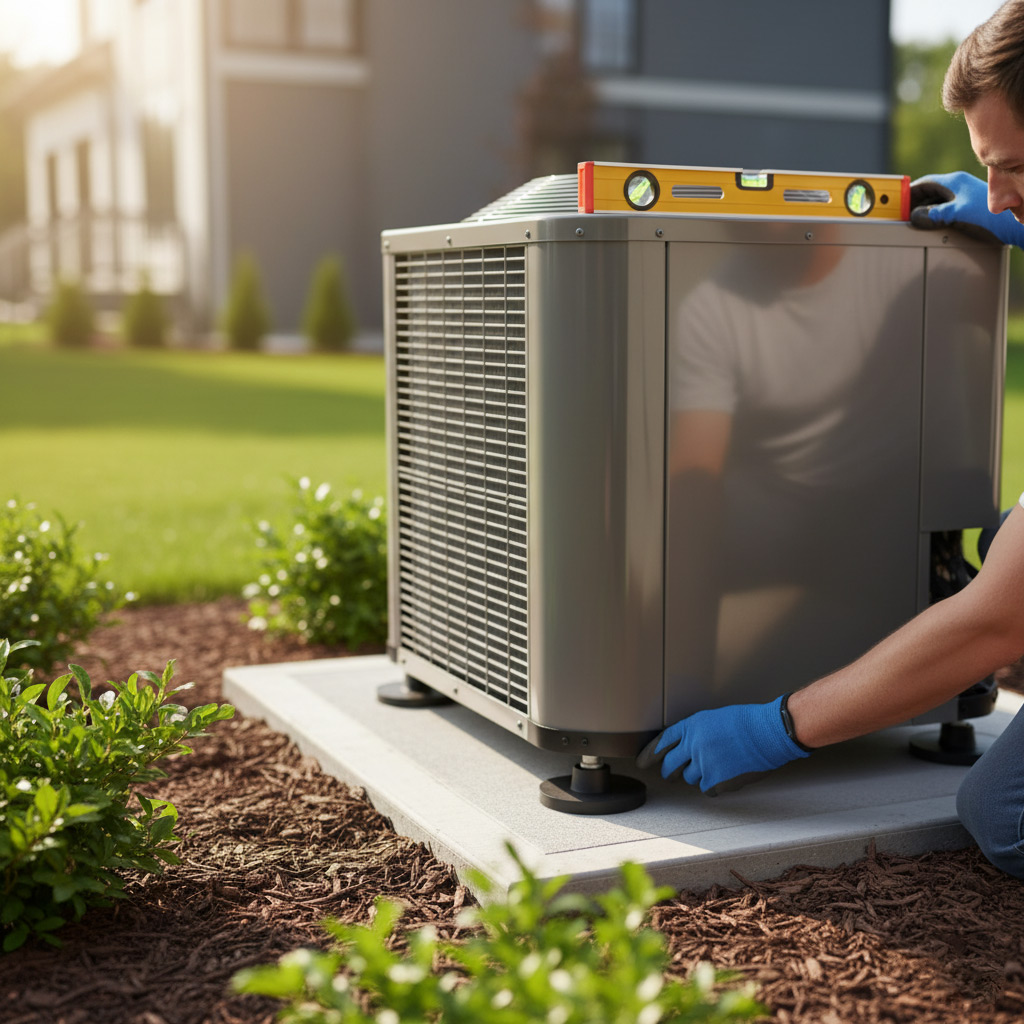
Then comes the careful removal of your old AC unit. This isn't just yanking it out. It means proper disconnection of refrigerant lines, electrical wiring, and drainage, all done in an environmentally responsible way. They'll also prepare the pad or foundation for your new outdoor condenser, making sure it’s level and stable.
Precision Placement and Critical Connections
Once the old unit is gone, the real installation begins. The indoor evaporator coil needs to be perfectly fitted into your furnace or air handler, often requiring custom fabrication for a seamless seal. Outdoors, the new condenser unit is positioned, ensuring adequate airflow and clearance.
Here’s where the detail really matters:
- Line Set Installation: New, properly sized refrigerant lines are run between the indoor and outdoor units. These must be clean, insulated, and sealed to prevent leaks and optimize efficiency.
- Drainage System: A properly sloped condensate drain line is installed to carry away moisture, preventing water damage and mold growth. This is crucial in humid Anaheim summers.
- Electrical Hookup: All electrical wiring is connected according to code, ensuring proper power supply and safety. This often involves a dedicated circuit breaker for your new system.
A sloppy job in any of these areas will cripple your new system's performance and lifetime, leading to headaches you absolutely want to avoid.
What to Watch For: Red Flags and Verification
Even with seasoned professionals, it pays to be an informed homeowner. After the physical connections, a reputable technician performs several critical checks. This includes a vacuum test to ensure no leaks in the refrigerant lines, followed by the precise charging of refrigerant according to manufacturer specifications.
Always ask for these steps to be demonstrated or explained. Look out for signs like:
- Technicians rushing through connections without checking for tightness.
- Lack of vacuum pump usage or a very quick "vacuum" process.
- Failure to use gauges to accurately measure refrigerant charge.
- Leaving behind debris or unsecured components.
A diligent contractor will ensure every detail is perfect, from brazing joints to securing wiring, setting the stage for optimal long-term performance and peace of mind.

Crucial Connections: The Importance of Ductwork, Refrigerant Lines, and Electrical for Peak Performance
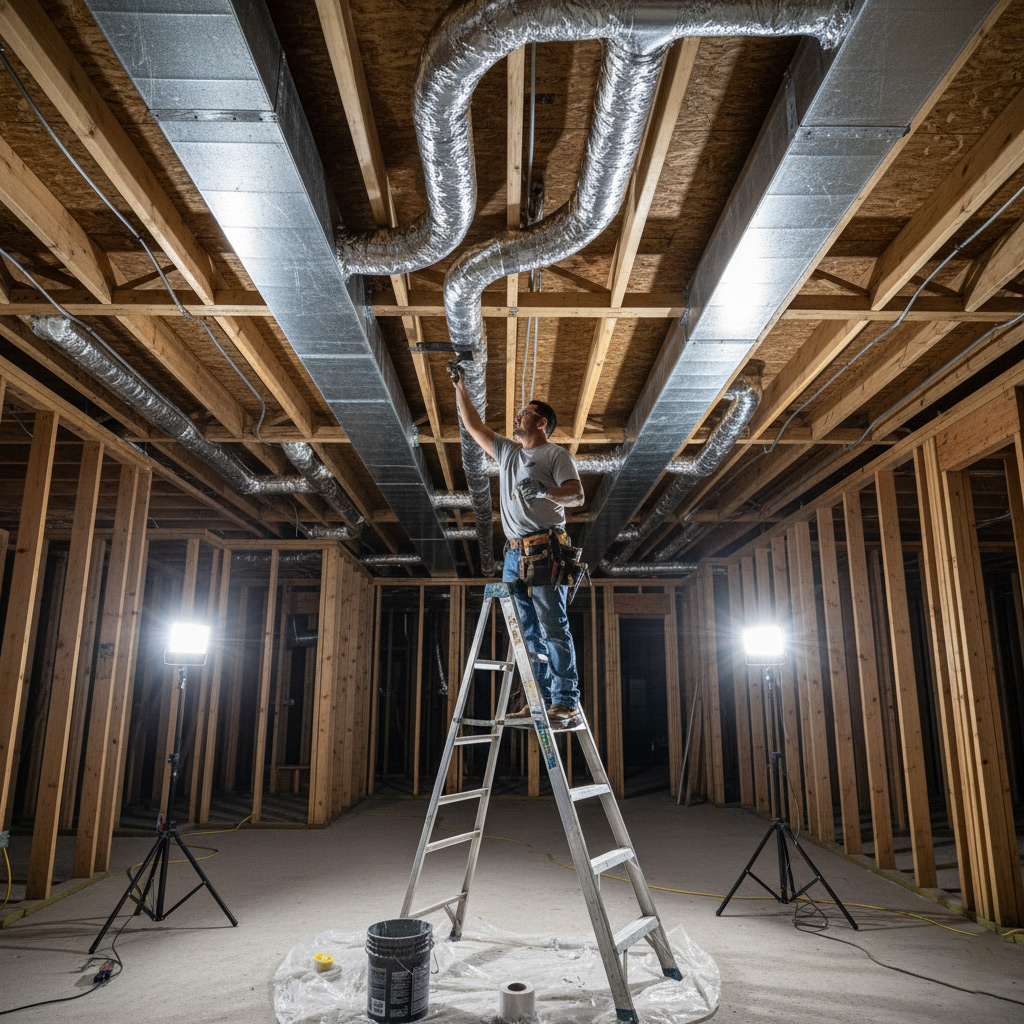
Think of your ductwork as the circulatory system of your AC. If the ducts are leaky, improperly sized, or poorly insulated, you’re literally blowing expensive, conditioned air into your attic or walls. It's like having a brand-new Ferrari with a hole in the gas tank.
A true professional will inspect and seal existing ductwork or install new, perfectly sized ducts to ensure every cool atom reaches your living space. Anything less is a cash leak you’ll regret every summer.
The Lifeblood: Refrigerant Lines
Those copper lines carrying refrigerant? They're the silent workhorses, transferring heat out of your Anaheim home. A single kink, a tiny leak, or an incorrect refrigerant charge can cripple your system's ability to cool effectively.
This isn't a DIY job; it requires specialized tools and expertise to ensure lines are properly sized, evacuated, and charged to the manufacturer’s exact specifications. Too much or too little refrigerant means your unit works harder, cools less, and dies faster.
Powering Up: Electrical Integrity
Finally, let's talk about the electricity powering your comfort. Your new AC unit demands a specific, stable electrical supply—often a dedicated circuit—to operate safely and efficiently.
Shoddy wiring isn't just a fire hazard; it can cause critical damage to your compressor and control boards, leading to expensive breakdowns. Always insist on a licensed electrician handling these connections, ensuring everything meets local Anaheim codes and manufacturer guidelines for worry-free operation and ultimate system longevity.
Post-Installation Perfection: Testing, Verification, and Your Homeowner Walkthrough
The moment the last screw is tightened isn't the end of the installation; it's the beginning of a critical validation phase. Your expert technicians don't just pack up their tools; they initiate a rigorous series of tests. This includes checking refrigerant levels, confirming proper airflow through every vent, and verifying electrical connections are secure and safe. They'll run the system through various cycles to ensure it reaches target temperatures, operates quietly, and responds correctly to thermostat commands. These crucial tests confirm your new AC is performing exactly as designed, ready to deliver consistent, cool air.
Once the technical checks are complete, it's time for your personalized homeowner walkthrough. This isn't just a formality; it's your opportunity to fully understand your new investment. Your technician should guide you through the system, explaining its key components and how to use your thermostat effectively. They'll point out emergency shut-offs, demonstrate filter replacement, and explain any programmable features unique to your unit. Don't be shy about asking questions – this is your chance to gain full confidence in operating your new cooling system.
During this walkthrough, pay close attention to:
- Thermostat Operation: Can you easily change settings and modes?
- Airflow: Feel the air coming from your registers. Is it strong and consistently cool?
- Sounds: The unit should run smoothly. Note any unusual noises.
- Drainage: Ensure the condensate drain line is clear and water is flowing correctly.
Your technician should confirm the unit is registered for warranty and provide you with all necessary documentation. This final verification step ensures you're empowered and informed, ready to enjoy your perfectly cooled Anaheim home.
Anaheim Comfort Achieved: A Case Study in Flawless AC Replacement
Meet the Garcia family, living near Anaheim Hills. Their old AC unit was a money pit, constantly struggling to cool their home, especially upstairs. They were tired of exorbitant energy bills and the sweat-inducing reality of Anaheim summers. This time, they weren't just buying a box; they were investing in true comfort and future savings.
Instead of rushing, they took our advice. Their chosen HVAC specialist performed a meticulous load calculation, identifying the perfect system size for their specific home layout. The team also conducted a thorough ductwork inspection, finding and sealing critical leaks *before* the new unit went in. They ensured every connection—refrigerant, electrical, and drainage—was flawless and up to code.
The outcome? A home transformed. Their new, perfectly installed AC now cools their entire house evenly and quietly. Energy bills plummeted by nearly 30%, proving that a small investment in proper installation pays massive dividends. The Garcia family isn't just comfortable; they've gained peace of mind knowing they made the smart choice for their Anaheim home.
Maximizing Your Investment: Maintenance Tips and Warranty Essentials for Long-Term Savings
Okay, so your perfect AC is installed. That’s a huge win, but here’s the stark reality: a top-notch installation is only half the battle for lasting comfort and rock-bottom utility bills. To truly milk every dime out of your investment, you’ve got to stay on top of maintenance. Think of it like owning a high-performance car; you wouldn't skip oil changes, would you?
Keep it Running Right: Your Maintenance Must-Dos
The simplest action can save you hundreds. Start with regular filter changes—at least every 1-3 months, especially during peak Anaheim summers. A clogged filter chokes your system, making it work harder and consume more power, leading to higher bills and premature breakdowns.
- Schedule Annual Professional Tune-ups: This is non-negotiable. A certified technician will catch small problems before they become expensive nightmares. They’ll clean coils, check refrigerant levels, inspect electrical connections, and calibrate your thermostat. This isn't just a suggestion; it's a lifeline for your AC.
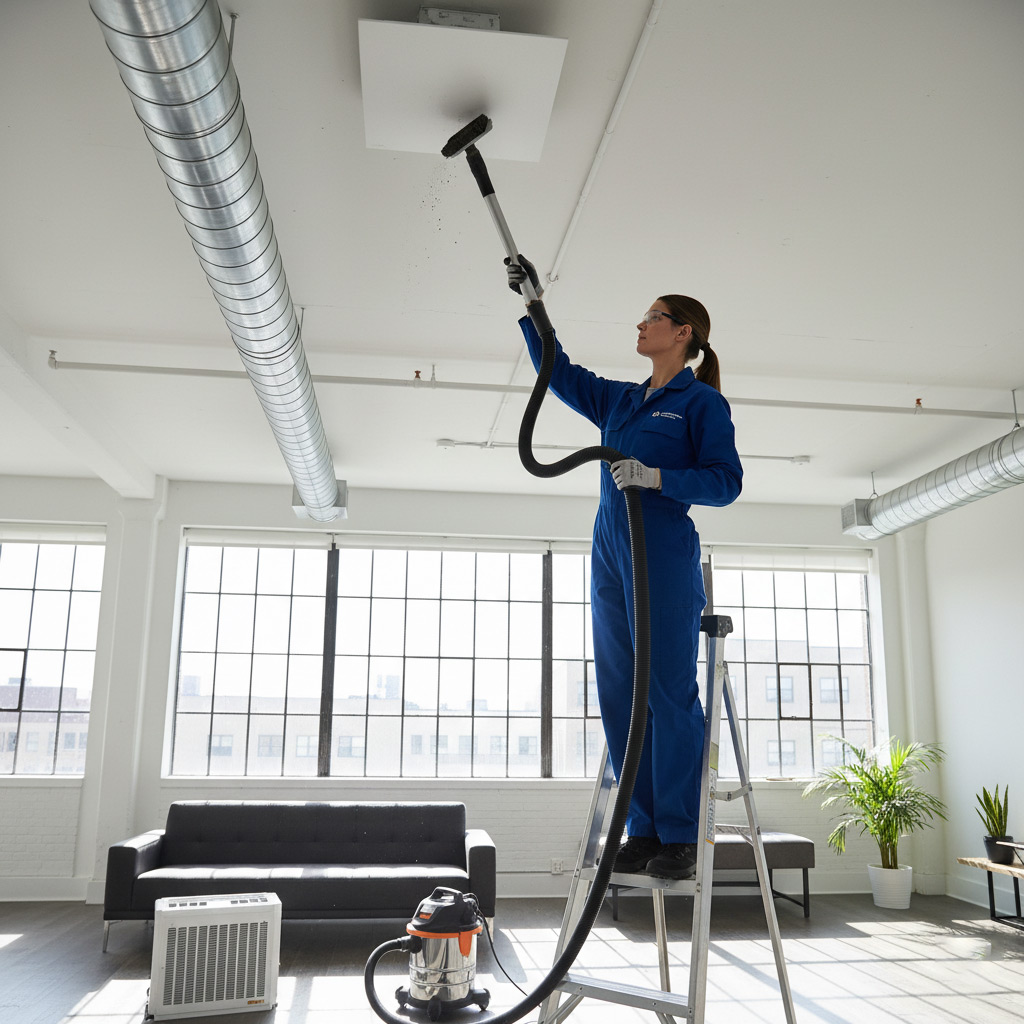
- Keep Your Outdoor Unit Clear: Ensure the condenser unit outside is free from debris, leaves, and overgrown landscaping. Airflow is crucial here. Blocked airflow means poor heat exchange and another drain on your wallet.
Don't Get Burned: Understanding Your Warranty
You bought a new system, probably with a good warranty. But how many homeowners actually *read* it? Don't be one of the clueless ones who find out their warranty is void when disaster strikes. Your warranty is a shield against unexpected costs, but it has rules.
First, make sure your new system is registered promptly with the manufacturer. Many warranties require this within a specific timeframe, or you’re out of luck. Also, be aware that most manufacturers require documented annual professional maintenance to keep your warranty valid. Skip those tune-ups, and you might as well tear up your warranty certificate. It’s that simple. Understand what’s covered—parts, labor, specific components—and for how long. Knowing this upfront will save you massive headaches and potential out-of-pocket expenses down the line.
Final Words: Your Blueprint for a Perfectly Cooled Anaheim Home.
You’ve now walked through the critical steps of a flawless AC installation, from precise sizing to rigorous post-installation checks. This guide isn't just theory; it’s your practical playbook, empowering you to identify and demand the level of quality your Anaheim home deserves.
Understand this: your new air conditioner's performance, longevity, and even its efficiency hinges directly on the expertise of its installation. By knowing what to expect and what to scrutinize, you transform from a passive customer into an informed homeowner, ready to ensure every component works in perfect harmony.
Don't settle for anything less than a meticulously executed AC installation. When it’s done right, you're not just buying a machine; you're investing in years of consistent comfort, significantly lower energy bills, and the sheer pleasure of a truly cool and serene home, even during Anaheim’s hottest spells. This is your blueprint for lasting comfort.
People Also Ask
How do I determine the correct AC size for my Anaheim home?
The correct AC size is determined by factors like your home's square footage, ceiling height, insulation quality, window types, and sun exposure. An HVAC professional performs a load calculation (Manual J) to ensure your system is perfectly matched, preventing inefficient operation or premature wear.What are the key steps a professional HVAC installer follows in Anaheim?
A professional installation involves careful removal of old equipment, precise placement of the new unit, expert connection of refrigerant lines, electrical wiring, and ductwork, followed by thorough testing. They also ensure compliance with local Anaheim building codes and safety regulations.Why is proper ductwork important for a new AC installation?
Properly sized and sealed ductwork is crucial for efficient AC performance, as it distributes conditioned air throughout your home without energy loss. Leaky or undersized ducts can significantly reduce efficiency, increase energy bills, and compromise comfort, even with a brand new unit.What should I expect during the post-installation walkthrough?
During the walkthrough, the technician will demonstrate how to operate your new system, explain its features, and answer any questions. They will also review maintenance requirements, warranty details, and ensure you are completely satisfied with the installation and system operation.How can I maximize the lifespan and efficiency of my new AC system in Anaheim?
To maximize lifespan and efficiency, schedule annual professional maintenance, regularly change air filters, and ensure proper thermostat settings. Adhering to manufacturer-recommended service and understanding your warranty coverage will also protect your investment.
Anaheim HVAC provides dependable heating and cooling services, backed by years of industry experience. The team is committed to delivering professional climate control solutions throughout the Anaheim community.
Need HVAC?
We deliver rapid solutions for your needs across Anaheim and surrounding areas, ensuring swift outcomes for our clients (92801, 92805, 92831, 92867, 92703).
Custom Quote