Ever felt that sudden gut punch when your AC starts acting up in the middle of a hot Anaheim summer? You know the feeling – the immediate dread of a huge repair bill, wondering if you're about to pour hundreds into a system that just needs a little nudge.
Here’s the secret: many common HVAC hiccups don’t demand an expensive service call. A surprising number of problems have simple, DIY fixes that can save you serious cash and keep your home comfortable without breaking the bank.
Stop stressing over every little fan whir or drip. Learning a few basic troubleshooting steps empowers you to diagnose minor issues, often preventing them from escalating into major, costly repairs.
Ready to reclaim control over your home comfort and your wallet? Let's uncover the secrets to smart HVAC care and unlock those huge savings.
Your First Line of Defense: Simple Checks Before You Call for Service
Before you even think about calling for professional HVAC service in Anaheim, take a deep breath. Many apparent breakdowns are actually quick, simple fixes that you can handle yourself. These initial checks are your first line of defense against unnecessary service calls and can save you a surprising amount of money.
Think of it as a pre-flight checklist for your home comfort system. Just a few minutes of inspection can often pinpoint the problem or confirm that it's something beyond a basic adjustment. Don't underestimate the power of these straightforward troubleshooting steps.
Empowering yourself with this basic knowledge means less stress and more cash in your pocket. Let's walk through the absolute must-check items before you reach for the phone.
Thermostat Check: The Brain of Your System
Believe it or not, a surprising number of service calls start and end with the thermostat. It’s the control center, and if it’s miscommunicating, your whole system can seem out of whack.
- Is your thermostat set to the correct mode? Make sure it's on "Cool" during summer and "Heat" for cooler Anaheim evenings, not "Fan Only."
- Is the temperature setting lower than the current room temperature (for cooling) or higher (for heating)? Your system won't kick on if it thinks it's already hit the target.
- Have you checked the batteries? A dead or weak battery can make your entire system appear unresponsive, leading to frustrating comfort gaps. This is a super common oversight!
Air Filter Inspection: The Clogged Culprit
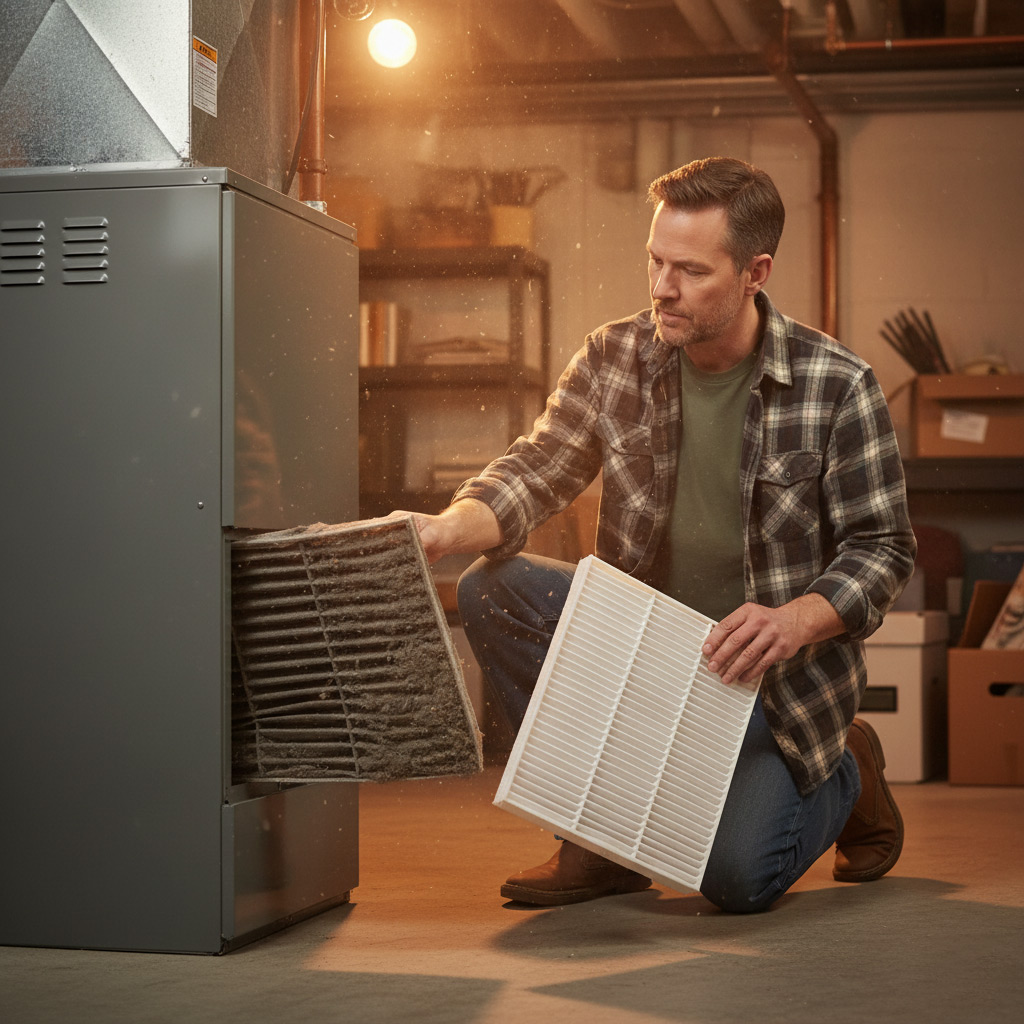
A dirty air filter is arguably the most frequent cause of HVAC inefficiency and poor performance. When your filter is caked with dust and debris, your system struggles to pull in air, working harder and consuming more energy.
Pull out your filter and hold it up to a light source. If you can't easily see light through it, it's time for a change. A clean filter ensures proper airflow, which is critical for both heating and cooling effectiveness.
The Breaker Box: A Quick Reset
Sometimes, your HVAC system simply trips a circuit breaker due to a power surge, an electrical issue, or even just old age. This cuts power to the unit, making it seem like it's completely dead.
Head to your main electrical panel and locate the breaker labeled for your HVAC system (often "AC" or "Furnace"). If it's tripped, it will typically be in the "off" or middle position. Firmly flip it completely to the "off" position, then immediately back to "on." Wait a few minutes before checking your system again to allow it to reset.
Outdoor Unit and Vents: Keep Them Clear
Your outdoor condenser unit needs room to breathe. Ensure it isn't surrounded by overgrown shrubs, leaves, dirt, or other debris that can block airflow. Restricted airflow here forces your AC to work overtime and can lead to breakdowns.
Inside your home, double-check that all your supply vents are open and unobstructed by furniture, curtains, or rugs. Blocked vents can create hot or cold spots and reduce the overall comfort level in your Anaheim home.
Decoding Common AC Issues: Warm Air, No Cooling, and Strange Sounds
There’s nothing quite like the feeling of flipping on your AC in Anaheim, only to be met with lukewarm air or, worse, nothing at all. Before you resign yourself to a sweaty afternoon, let's nail down the most common culprits that prevent your system from delivering that glorious cool breeze.
Often, the fix is simpler than you think. First, check your thermostat settings; make sure it’s on 'cool' and the temperature is set below your current room temperature. Next, take a peek at your air filter – a dirty, clogged filter is like trying to breathe through a pillow, severely restricting airflow and making your AC work overtime without results. Sometimes, a quick check of your electrical panel reveals a tripped breaker, which is an easy flip back into action.
Beyond no cooling, your AC might be sending distress signals through sound. A persistent rattling could mean loose panels or debris inside the unit, while a buzzing often points to electrical components or a struggling fan motor. Squealing sounds are a red flag, typically indicating a failing motor bearing or fan belt that needs immediate professional attention before it causes bigger damage. Never ignore these auditory warnings; they’re your system's way of telling you it needs help.
Heater Headaches: Troubleshooting Your Furnace in Anaheim's Cooler Months
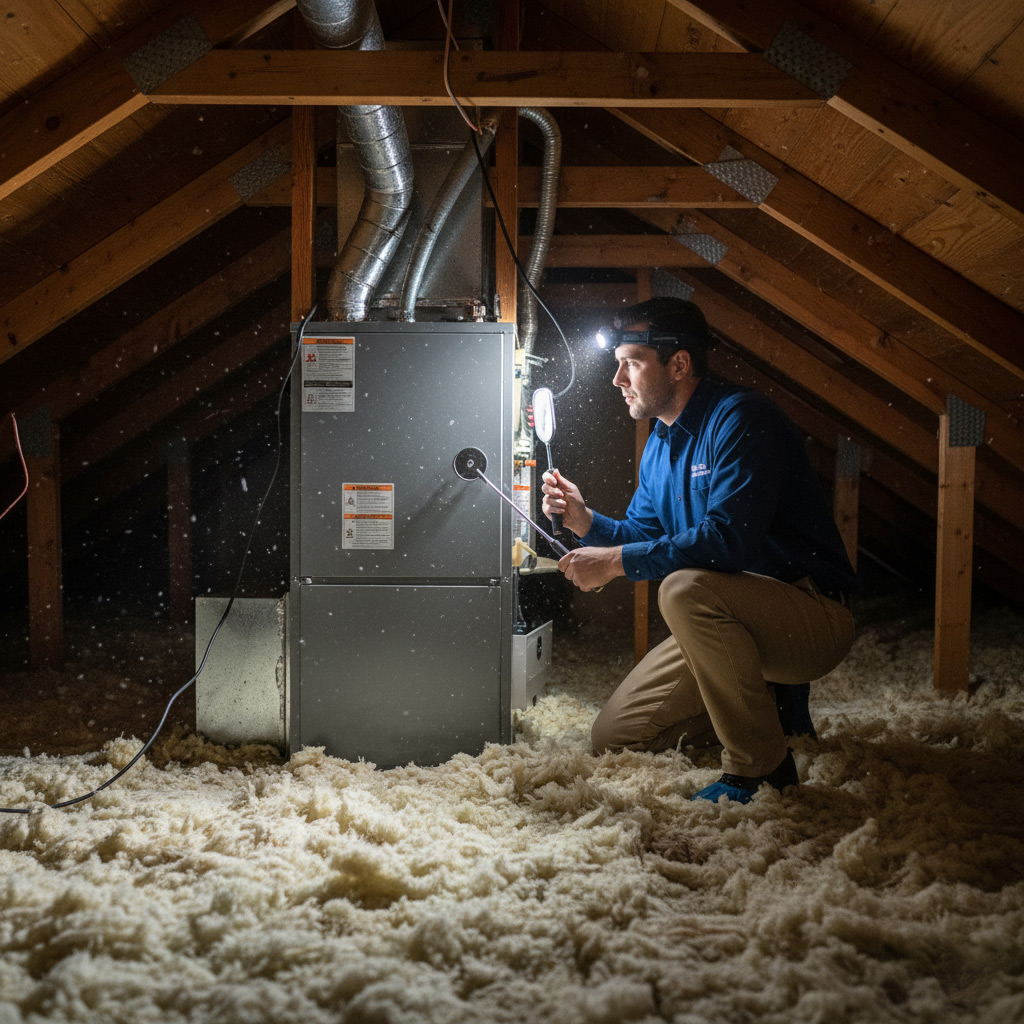
Even in Anaheim, those winter evenings can get chilly enough to make you reach for the thermostat. When your furnace decides to play hard to get, don't panic or immediately dial a service tech.
Many common heating issues stem from surprisingly simple oversights that you can fix yourself in minutes. A little detective work now can save you a significant service charge later.
Your Furnace Not Firing Up? Start Here:
- Check Your Thermostat Settings: Is it set to "Heat" and is the desired temperature above the current room temperature? It sounds obvious, but you’d be surprised how often this is the culprit. Make sure the fan is set to "Auto" not "On," unless you want continuous air circulation.
- Inspect the Air Filter: A clogged furnace filter is a silent killer of heating performance. A dirty filter restricts airflow, forcing your furnace to work harder, and can even cause it to overheat and shut down completely as a safety measure. Slide it out and hold it up to the light—if you can’t see through it, it’s time for a new one. This is one of the easiest and most critical fixes.
- Power Up: Locate your furnace and check for a light switch on the unit or nearby wall that looks like a regular light switch. It often gets flipped off by accident. Also, take a quick trip to your electrical panel and ensure the circuit breaker for your furnace hasn't tripped.
After checking these few things, give your system a few minutes to respond. Often, these quick adjustments are all it takes to get that warmth flowing back into your Anaheim home.
Beyond the Basics: Addressing Clogs, Coils, and Capacitors (Safely!)
You've checked the easy stuff, but what if the issue runs a little deeper? Don't sweat it just yet. Some seemingly complex problems have straightforward indicators you can spot, giving you a serious advantage when it comes to repair costs.
A common culprit for water leaks near your indoor unit? A clogged condensate drain line. This line carries away moisture pulled from your home's air, but algae and sludge can build up, causing a backup. If you see water pooling, try this:
- Locate the PVC pipe exiting your indoor unit.
- Carefully remove the access cap (if present).
- Pour a cup of distilled vinegar or a mild bleach solution (1 part bleach to 16 parts water) down the line. This helps dissolve blockages.
- Wait 30 minutes, then flush with a cup of warm water.
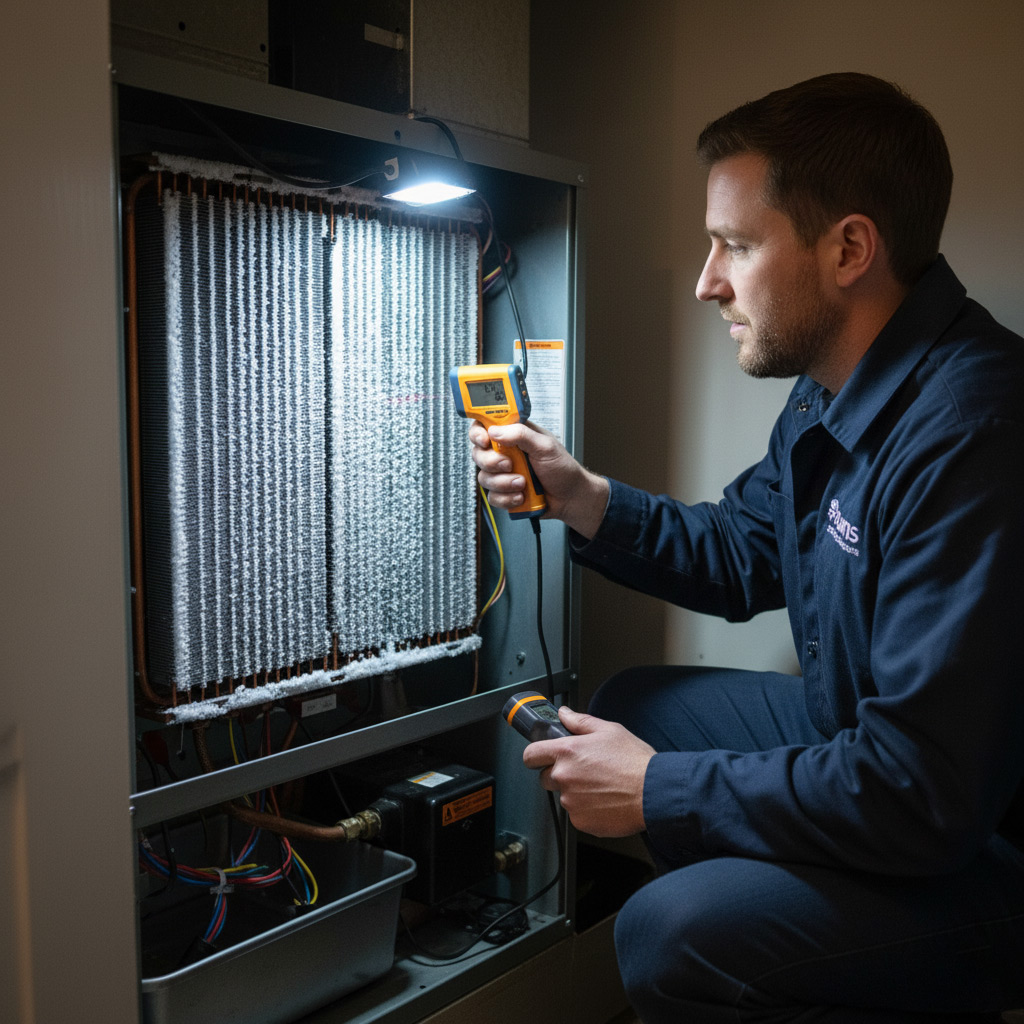
Your AC's evaporator and condenser coils are critical for heat exchange. When they get caked with dirt and grime, your system works harder, uses more energy, and cools less effectively. While coil cleaning is best left to pros with specialized equipment, knowing they can get dirty means you understand why your system might be struggling.
Now, for a more advanced, electrical component: the capacitor. This little cylinder gives your AC or furnace motor the initial jolt it needs to start. If your outdoor unit's fan hums but doesn't spin, or if the compressor sounds like it's struggling to kick on, a failing capacitor could be the problem. This is where you absolutely prioritize safety. Capacitors store a powerful electrical charge even after power is off.
Never attempt to test or replace a capacitor yourself unless you are a qualified electrician or HVAC technician. However, being able to describe these symptoms to a technician saves them diagnostic time, which means saving you money. You're giving them a precise starting point, often leading to a quicker and more affordable fix. Remember, a broken capacitor is usually an inexpensive part, but the labor for safe, professional replacement is key.
Preventive Power: Essential Maintenance Tips to Avoid Future Breakdowns
Listen, you don’t wait for your car to break down on the 91 freeway before you change the oil, right? Same goes for your HVAC system. Proactive, regular maintenance isn't just a suggestion; it’s a non-negotiable strategy for keeping your home cool in Anaheim and your wallet fat. Think of it as investing pennies now to save hundreds, even thousands, later.
Ignoring the small stuff guarantees bigger, more expensive problems down the line. A few simple habits can dramatically extend the life of your unit, ensure it runs at peak performance, and slash your monthly utility bills. This isn't rocket science; it's smart homeownership.
Simple Steps, Big Impact: Your DIY Maintenance Checklist
-
Change Air Filters Regularly: This is the absolute easiest win. Dirty filters choke your system, making it work harder and consume more energy. Aim for every 1-3 months, especially during peak seasons or if you have pets. It takes two minutes and costs less than a fancy coffee.
-
Keep Outdoor Unit Clear: Your AC's outdoor unit (condenser) needs to breathe. Clear away leaves, grass clippings, and debris from around it. Ensure there’s at least two feet of clear space for optimal airflow. This simple act keeps your system from overheating and failing prematurely.
-
Check Your Thermostat: Sometimes the fix is as simple as making sure your thermostat is set correctly. Is it on "cool" or "heat"? Is the fan setting on "auto"? Dead batteries are also a common culprit for a non-responsive system.
Beyond these quick checks, consider scheduling professional tune-ups annually. An expert can spot issues you'd never see, clean components safely, and ensure everything is running perfectly. It’s the ultimate insurance policy against those brutal Anaheim summers and chilly winter nights, guaranteeing you maximum comfort and peace of mind.
Anaheim Success Story: How Smart Troubleshooting Saved a Homeowner's Summer
Picture this: Sarah, a homeowner in North Anaheim, woke up one sweltering July morning to find her AC pushing out air that felt more like a hair dryer. Her heart sank immediately. Visions of a hefty service bill and days without cool air flashed through her mind, just as the temperature outside started climbing past 90 degrees.
Instead of hitting the panic button, Sarah remembered reading a local guide on simple HVAC checks. She started with the easiest steps: First, she checked her thermostat, ensuring it was set to "cool" and the temperature was low. Then, she walked over to her outdoor unit, noticing it was completely silent. Aha! A quick trip to the electrical panel revealed a tripped breaker labeled "AC Unit."
With a simple flick of a switch, her AC roared back to life, blowing glorious cold air within minutes. Sarah didn't need to call a technician, didn't wait hours for a service appointment, and most importantly, she didn't spend a single dollar. That small act of troubleshooting saved her hundreds of dollars and preserved her family's comfort during a brutal Anaheim summer. It’s a powerful reminder: a little knowledge goes a long way.
Final Words: When It's Time to Call the Professionals
Look, we all love saving a buck, and tackling those minor HVAC glitches yourself is smart. But there's a critical point where playing DIY hero turns into a costly mistake or, worse, a safety hazard. If you've gone through the simple checks, reset the breaker, changed the filter, and your system is still refusing to cooperate, it’s a strong signal you've hit the limits of basic troubleshooting.
Never mess around with anything involving gas lines, major electrical components, or refrigerant leaks. These aren't just tricky; they're genuinely dangerous and demand specialized tools and training. If you smell gas, hear persistent hissing, or see signs of burnt wiring, shut down your system immediately and call a professional without delay.
When the problem persists, or if you suspect something deeper than a clogged filter, that's when you bring in the pros. Anaheim homeowners trust experts to not only fix the immediate issue but also diagnose underlying problems that prevent future breakdowns. For comprehensive HVAC Troubleshooting that goes beyond the basics, a certified technician ensures your system runs flawlessly and efficiently, saving you bigger headaches (and bills) down the road.
People Also Ask
How can I save money on HVAC repairs by troubleshooting myself in Anaheim?
You can save significantly by performing simple checks like inspecting your air filter, ensuring your thermostat settings are correct, and clearing debris from your outdoor unit. Addressing minor issues early often prevents them from escalating into costly professional repairs.What are common reasons my AC isn't cooling in Anaheim's heat?
Common culprits for a non-cooling AC include a dirty air filter restricting airflow, a tripped circuit breaker, or incorrect thermostat settings. A frozen evaporator coil, often caused by low airflow or refrigerant issues, can also prevent effective cooling.When should I stop troubleshooting and call an HVAC professional in Anaheim?
You should call a professional immediately if you detect gas odors, hear loud grinding noises, or if basic troubleshooting like checking filters and breakers doesn't resolve the issue. Complex problems involving refrigerant, electrical wiring, or persistent system failures require expert diagnosis and repair.What are quick preventive maintenance tips for Anaheim homeowners?
Regularly change your air filter every 1-3 months, especially during Anaheim's hot summer, and keep the area around your outdoor condenser unit clear of plants and debris. Scheduling an annual professional tune-up ensures your system operates efficiently and helps identify potential problems early.Does DIY HVAC troubleshooting really lead to significant savings for Anaheim residents?
Yes, performing basic troubleshooting can lead to significant savings by allowing you to fix minor problems without a service call, thus avoiding labor fees. Furthermore, understanding your system helps you communicate more effectively with technicians, potentially preventing unnecessary or misdiagnosed repairs.
Anaheim HVAC offers experienced heating and cooling services tailored for the Anaheim community. Their skilled technicians provide reliable solutions, ensuring comfort for local homes and businesses. Anaheim HVAC is dedicated to serving the specific needs of Anaheim, CA, with professional and knowledgeable service.
Need HVAC?
We deliver rapid solutions for your needs across Anaheim and surrounding areas, ensuring swift outcomes for our clients (92801, 92805, 92831, 92867, 92703).
Custom Quote